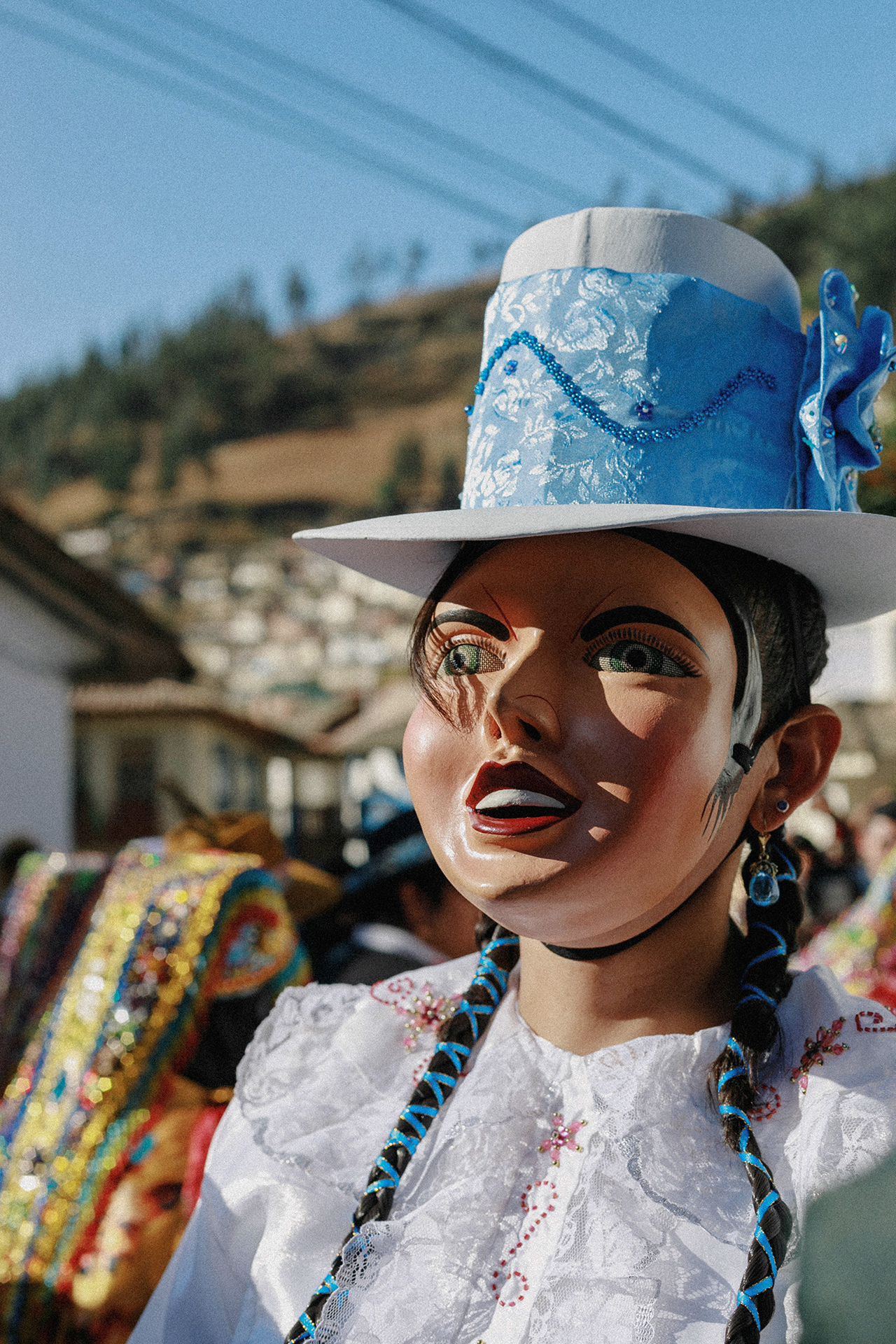
Diana Larrea. Paucartampus. Courtesy of the artist.
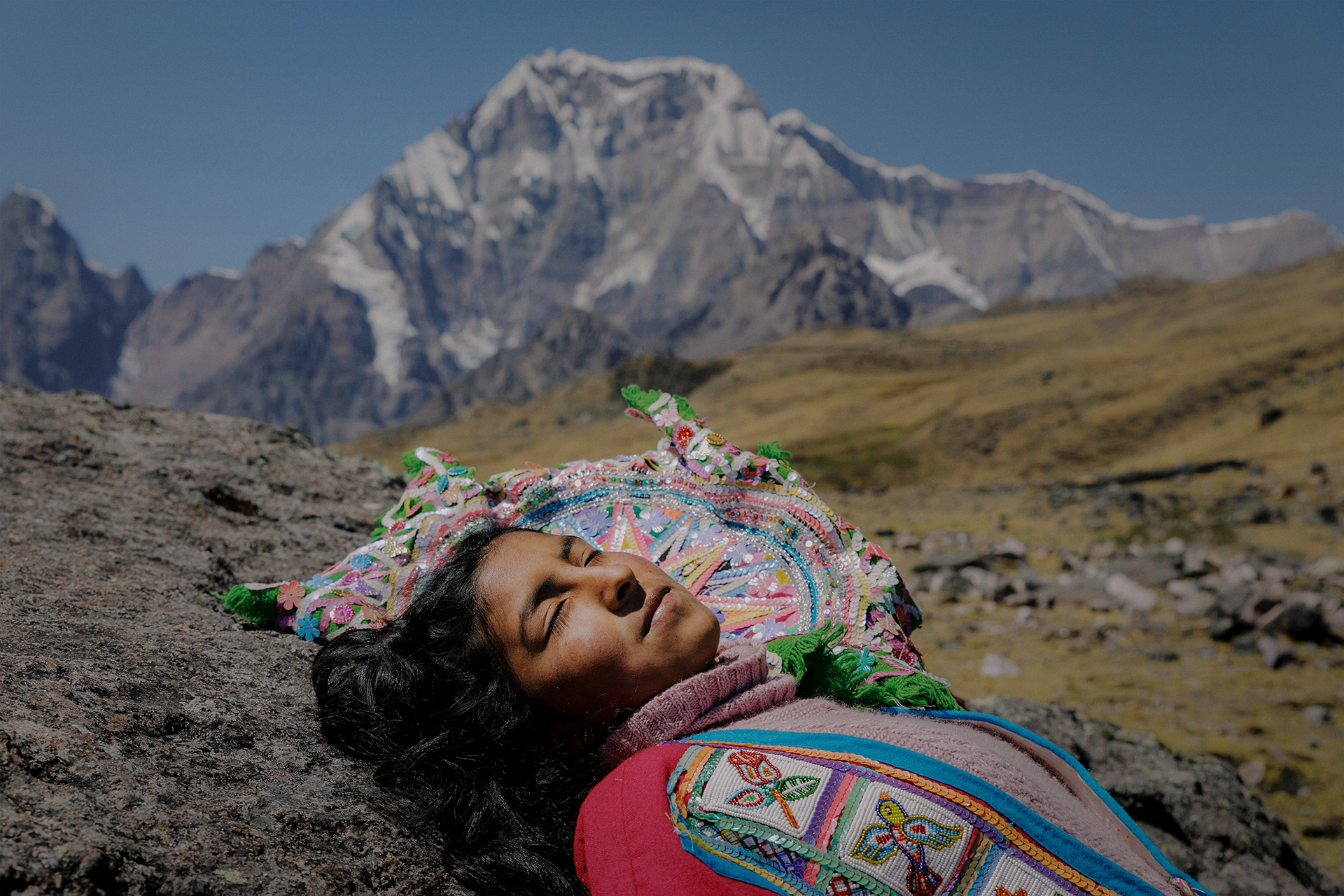
Diana Larrea. Sarai. Courtesy of the artist.
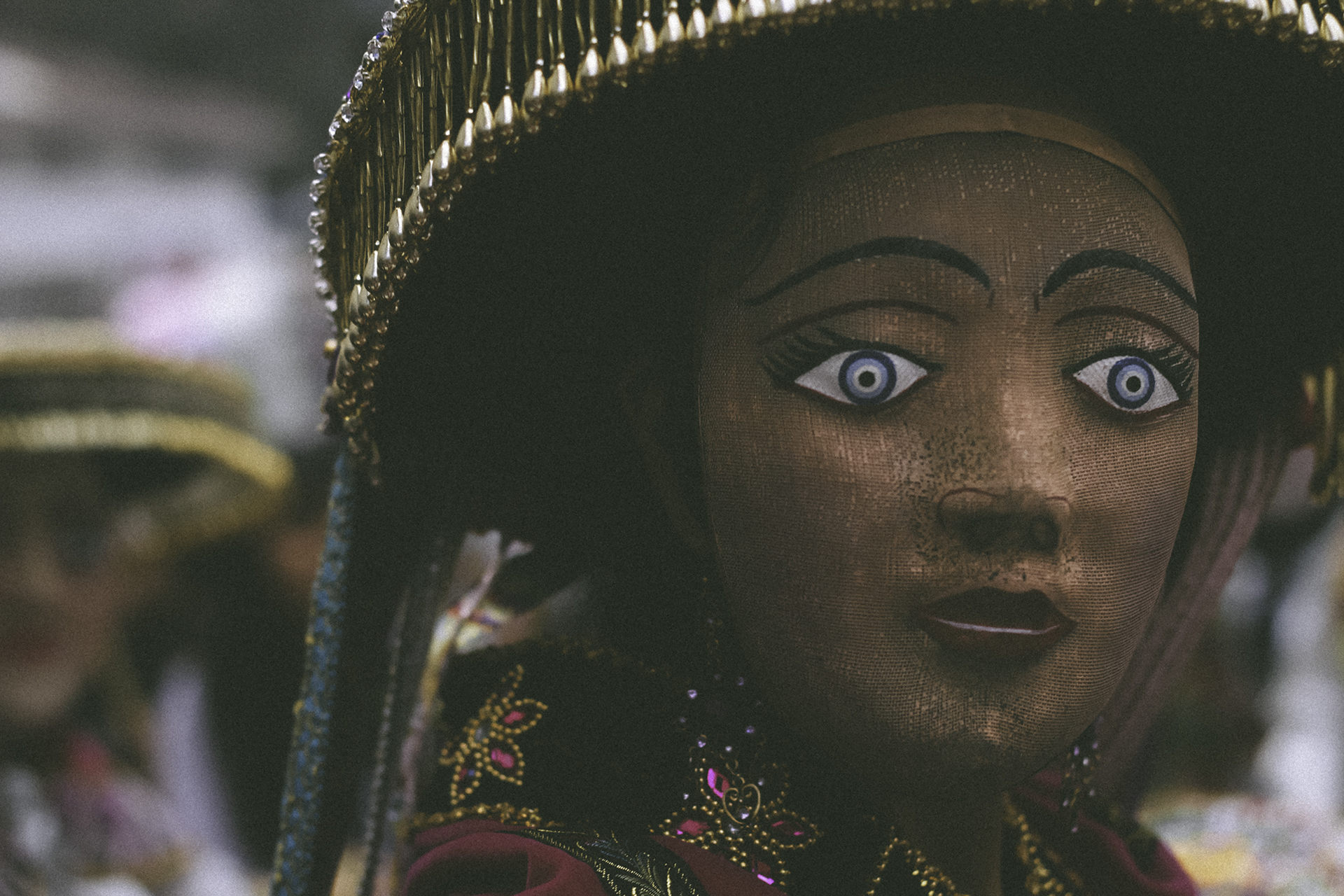
Zonia Zena. Untitled. From the series Between Peaks and Ritual. 2026 – 2018. Courtesy of the artist.
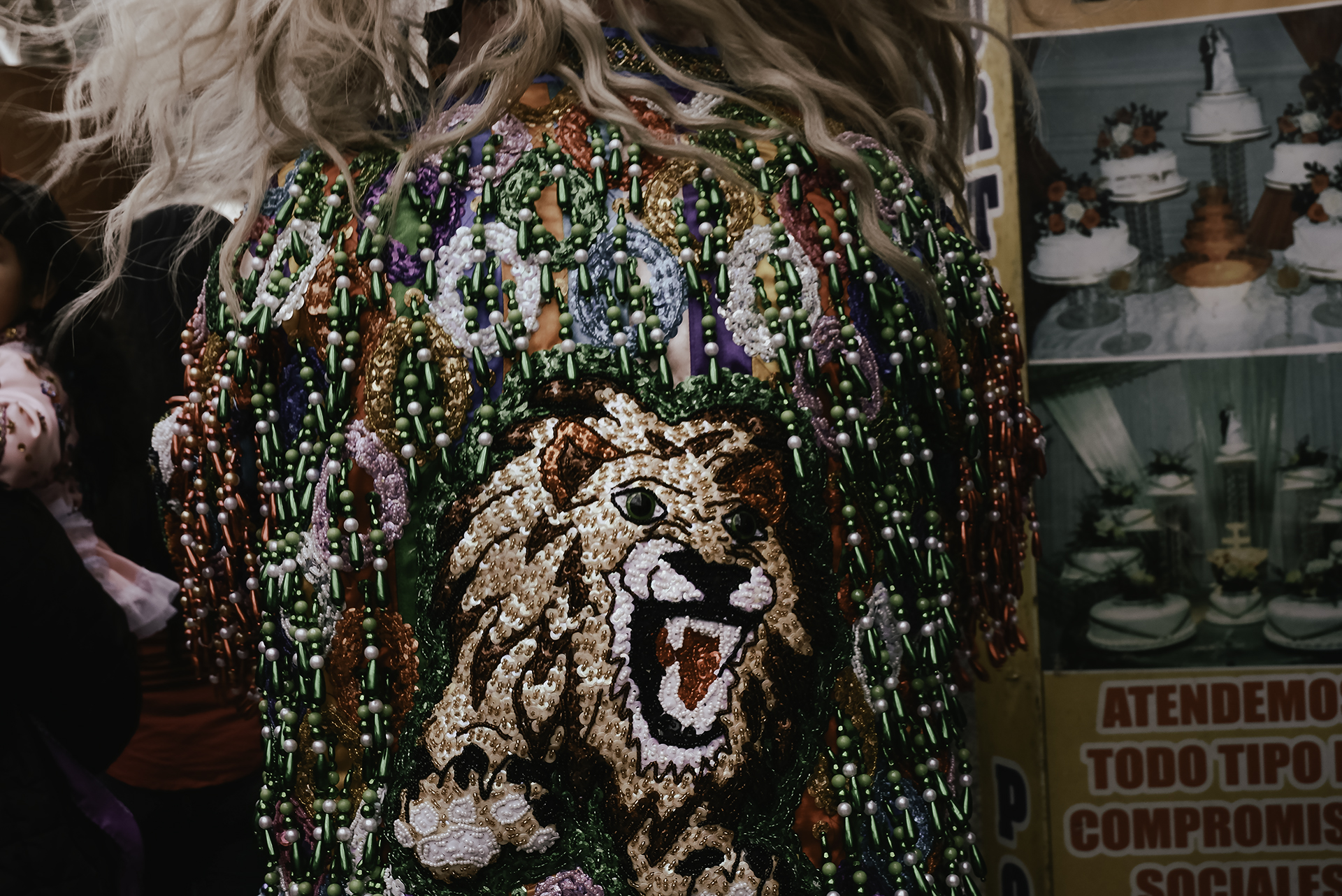
Zonia Zena. Untitled. From the series Between Peaks and Ritual. 2026 – 2018. Courtesy of the artist.
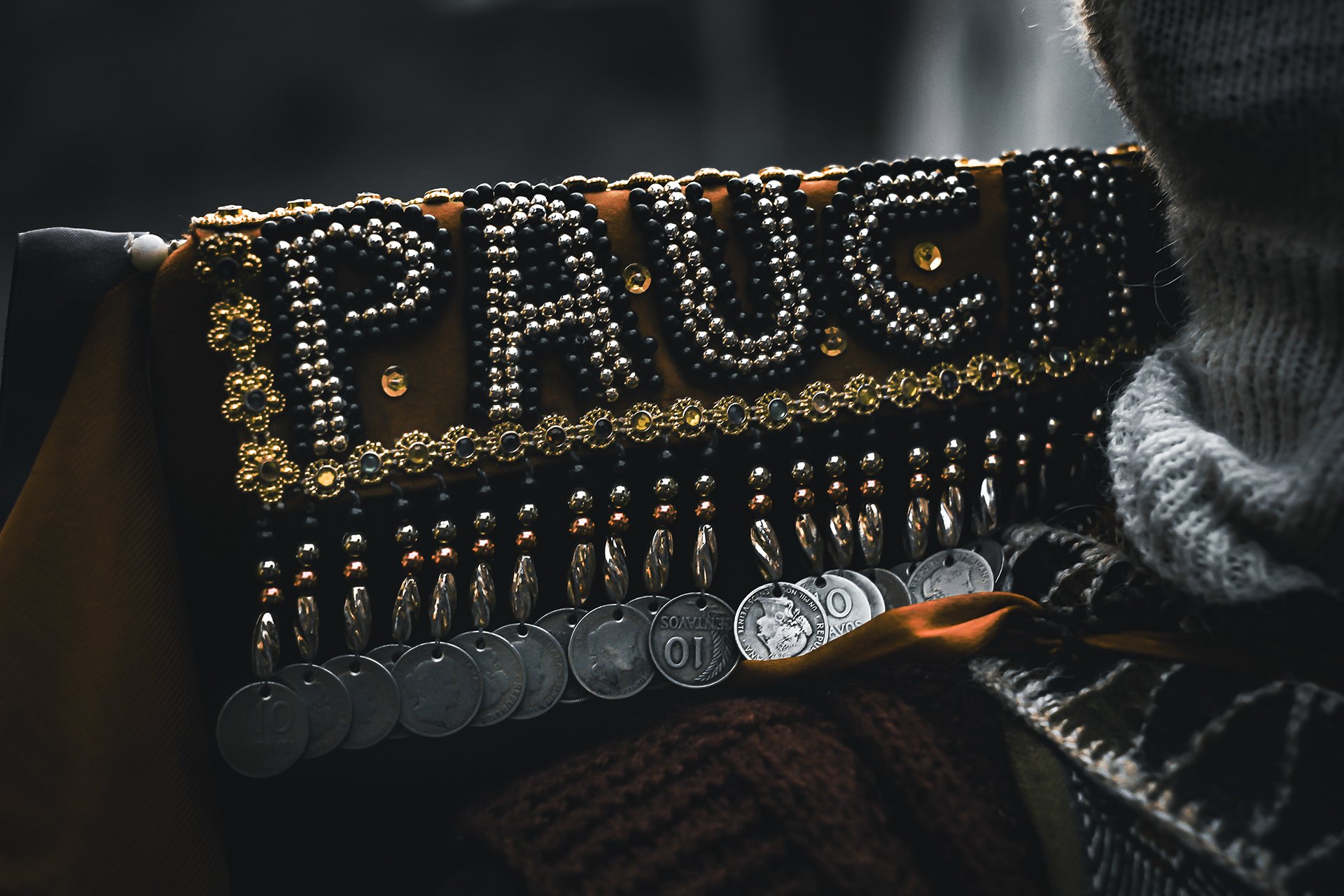
Zonia Zena. Untitled. From the series Between Peaks and Ritual. 2026 – 2018. Courtesy of the artist.
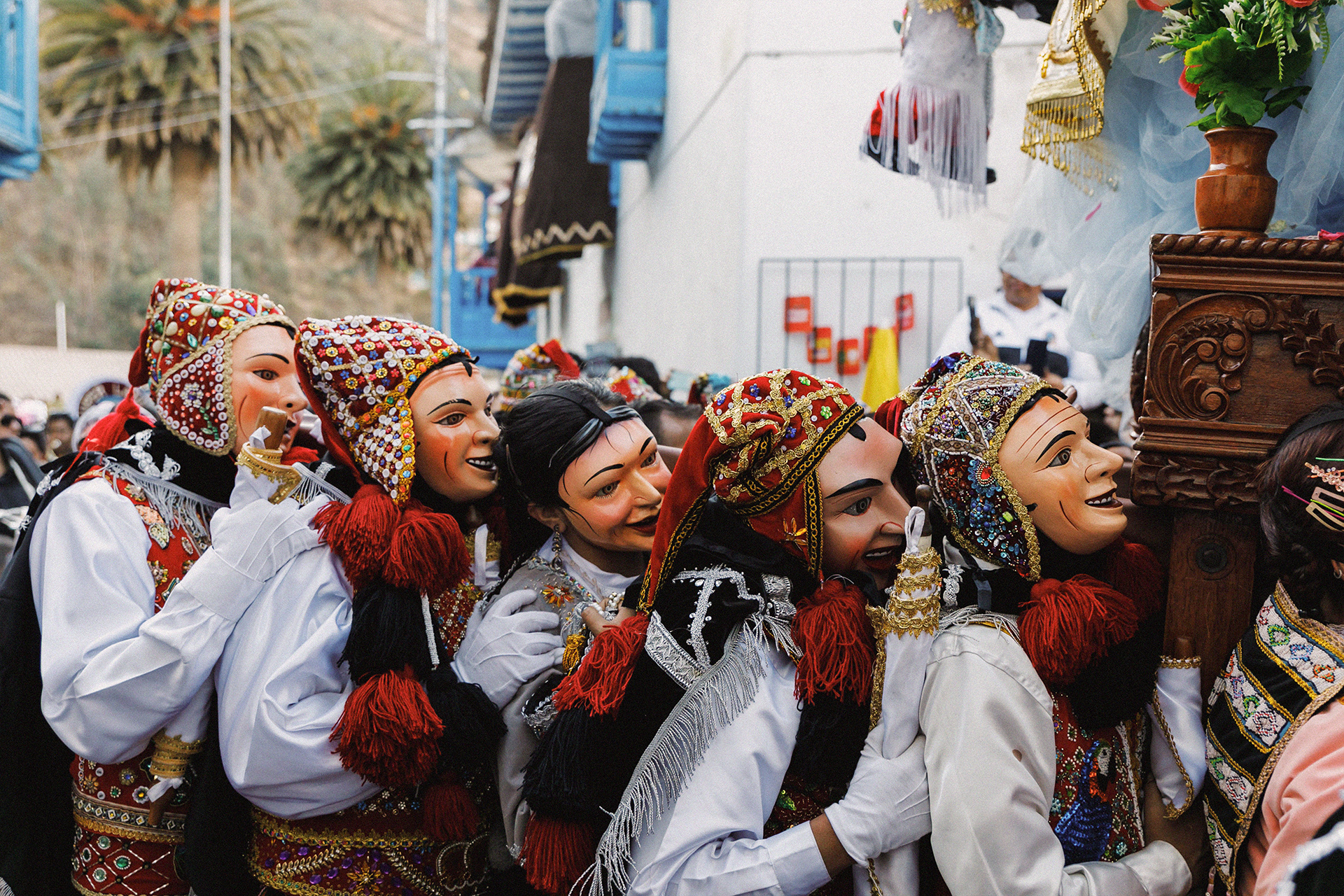
Diana Larrea. Procession. Courtesy of the artist.
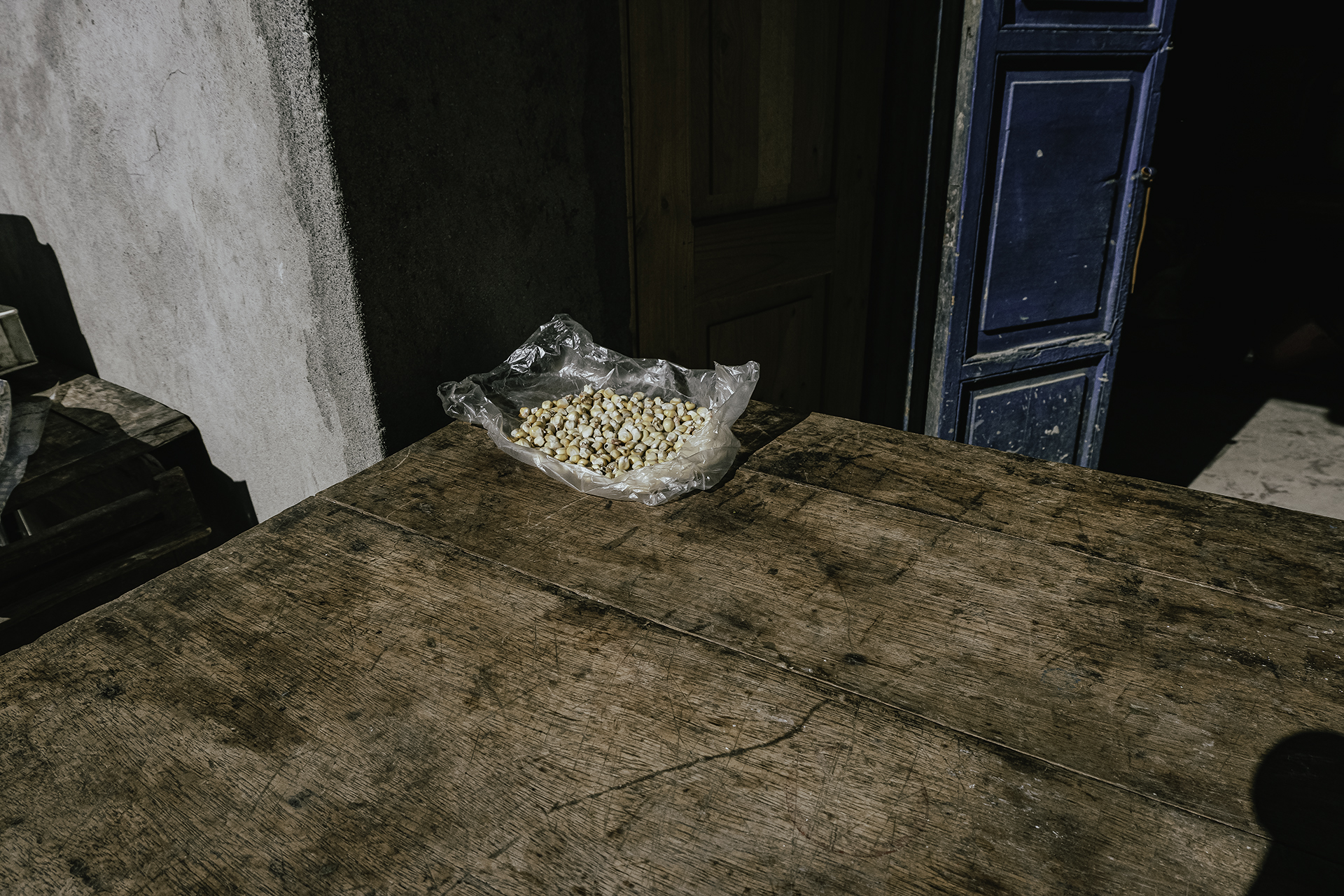
Zonia Zena. Cancha sobre la mesa. From the series Between Peaks and Ritual. 2026 – 2018. Courtesy of the artist.
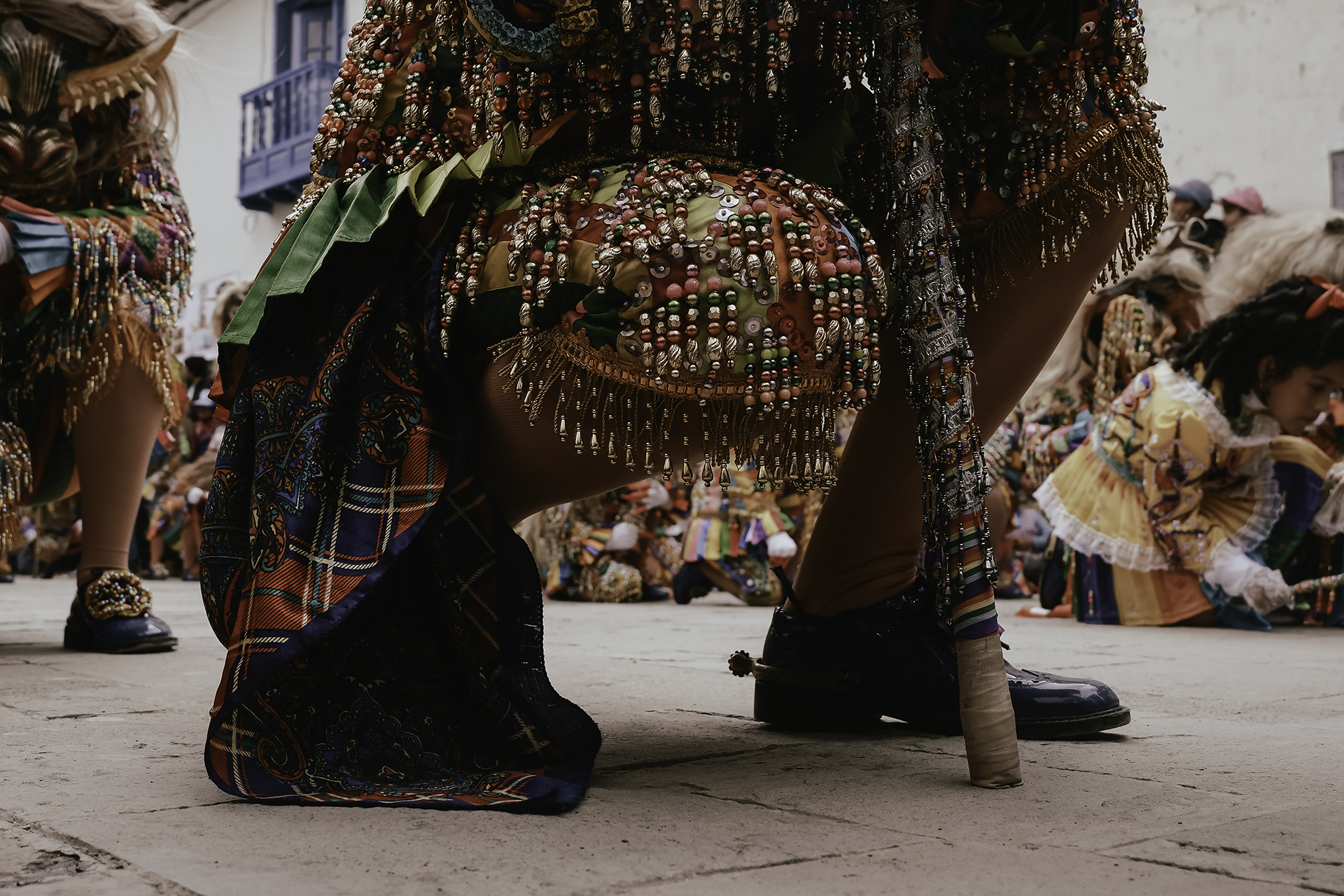
Zonia Zena. Untitled. From the series Between Peaks and Ritual. 2026 – 2018. Courtesy of the artist.
FINDING ONE’S CEREMONY: DIANA LARREA AND ZONIA ZENA
WOPHA / 02.20.2026
Dates: February 19 – May 17, 2026
Location: Green Space Miami, 7200 Biscayne Blvd., Unit B, Miami, FL 33138
Opening reception: Friday, February 27, 2026 / 6:00 – 9:00 pm
Women Photographers International Archive (WOPHA) and Green Space Miami present Finding One’s Ceremony, a two-person exhibition curated by Aldeide Delgado, Founder and Director of WOPHA. The exhibition launches a year-long partnership with Green Space Miami, providing WOPHA with a physical home throughout 2026 and presenting a series of exhibitions and artistic encounters in one of Green Space Miami’s gallery spaces. The long-term partnership opens new collaborations with The Kimberly Green Latin American and Caribbean Center at Florida International University and extends an ongoing partnership with the Green Family Foundation Caribbean Cultural Institute at Pérez Art Museum Miami (PAMM). These partnerships seek to ensure that diversity, inclusivity, and innovation remain at the forefront of contemporary photographic practice.
“We are deeply grateful to the Green Family Foundation, with whom we have partnered since 2021, for providing this home and for their continued support of WOPHA,” says Aldeide Delgado. “Since their initial contribution to the 2021 WOPHA Congress, the Foundation has played a vital role in advancing our mission. We are also very excited about the impact this expanded collaboration will have on the research, visibility, and promotion of photographic practices, particularly those rooted in the Caribbean and Latin America.”
“Green Space Miami was created to provide an intentional space for the artists, creatives, advocates and educators of Miami-Dade County. Since Green Space Miami’s inception, our partnership with WOPHA has enriched Miami’s artistic ecosystem, and supported WOPHA’s mission to promote an inclusive and equitable world through the work of women photographers. I’m looking forward to collaborating with Aldeide and the WOPHA team on a year of exciting exhibitions and events at Green Space Miami,” says Dr. Kimberly Green, President of Green Family Foundation.
Featuring Miami-based Latinx visual artists of Peruvian descent, Diana Larrea and Zonia Zena, Finding One’s Ceremony returns to the ontological question of who-we-are. The exhibition takes as its conceptual framework the writings of Jamaican novelist, dramatist, and philosopher Sylvia Wynter, particularly The Ceremony Must Be Found: After Humanism (1984) and The Ceremony Found (2015). In these texts, Wynter calls for a rethinking of what it means to be human in the wake of postmodernity, postcolonialism, and ongoing planetary crisis. She argues that modern Western knowledge systems have overrepresented a singular, universalized figure of “Man,” rendering other ways of being human peripheral or illegible. Against this, Wynter insists on the urgency of finding a new ceremony, understood as a decolonial overturning: a paradigm of knowledge production grounded in the “gaze from below,” the perspective of otherness, and the lived experiences of those historically positioned outside dominant frames.
For Larrea and Zena, the question of who-they-are unfolds through sustained engagement with ancestral ceremonial practices in Peru. Raised and educated in Miami, their returns to their homeland, are experienced as a form of renewed migration. In Larrea’s work, this process operates as a praxis of becoming, belonging, and re-identification with Indigenous heritage; in Zena’s practice, it gradually reveals through exploration, learning, and reconnection with ancestral lineage. In both cases, the photographic encounter becomes an act of healing and reconciliation. The photographs approach ceremonies not as distant ethnographic subjects, but as active, present-time experiences. Both artists understand documentary photography as a collaborative and processual practice that resists spectacle and extraction. Instead, they seek intimacy and proximity, generating images that resemble visual diaries shaped by trust, care, respect, duration, and shared presence.
Finding One’s Ceremony places Wynter’s theoretical framework in dialogue with Larrea and Zena’s work, offering an archipelagic reading of their practices. In doing so, it complicates modern, nation-centric discourses and opens the possibility of reconfiguring identity as hybrid, infinite, and relational. The exhibition presents previously unseen bodies of work produced during repeated journeys to Peru, between 2016 and 2018 in Zena’s case and from 2020 onward in Larrea’s. Central to both artists’ practices is storytelling or the act of contar cuentos, a mode of world-making that resonates with Wynter’s insistence on narrative as a foundational dimension of human existence. As she writes, “We humans cannot pre-exist our cosmogonies or origin myths/stories/narratives any more than a bee, at the purely biological level of life, can pre-exist its beehive” (The Ceremony Found, 213).
Situated in Miami, a city shaped by migration, diaspora, and layered cultural memory, this exhibition becomes a reclamation of presence. It foregrounds the Peruvian diasporic experience, asserting ancestrality and ritual as forms of embodied knowledge through which alternative ways of being human are enacted. The selection of images shifts the visual language traditionally used to represent ceremonial life by focusing on fragments, gestures, details, shadows, textures, faces, and masks, and by adopting a non-linear exhibition display that does not aim to simply record ritual, but to construct memory poetically. Seen in relation to one another, the works open a space for viewers to engage in practices of self-institution, inviting reflection on who-they-are through the formation of personal and collective myths.
About the artists
Diana Larrea is a Peruvian documentary filmmaker, photographer, and visual artist based between Miami, Florida, and Cusco, Peru. She is a 2025 South Florida Cultural Consortium grantee and a 2024–25 resident artist at Oolite Arts. Working across photography, film, and installation, Larrea examines migration, memory, and cultural continuity. Drawing from family photographs, documents, and testimonies, her work approaches displacement as both a lived and inherited condition, reflecting on absence, intergenerational memory, and cultural transmission. Her directorial debut, Monarcas, received a 2024 Emmy Award for Best Documentary in the Diversity, Equity, and Inclusion category. Her experimental film Querido Pequeño Haití premiered at the Miami Film Festival, was selected for the New Orleans Film Festival, and aired nationally on PBS. Larrea’s upcoming documentary, Q’uñi Pacha, focuses on the preservation of Andean traditions within Miami’s diasporic communities. The project received Oolite Arts’ Ellies Creator Award and was selected for the Knight Heroes Short Documentary Development Program, supported by IF/Then and the Knight Foundation. With over a decade of documenting Miami’s art scene and communities affected by development and gentrification, Larrea’s practice centers on cultural resistance. It explores how histories are reimagined through personal and collective lenses. Her work has been presented at film festivals, on broadcast platforms, and in exhibition contexts in the United States and internationally. She studied Film Production at Miami-Dade College and began her career as an editor for television networks and cultural institutions.
Zonia Zena is a visual artist and archivist born in Peru, currently based between Miami, Florida, and Lima, Peru. Trained in documentary photography at the beginning of her practice, she continues to draw on that sensibility while expanding her work into the realm of fine art. Her images move between observation and introspection, serving as a bridge into explorations of memory, presence, and the personal landscapes shaped by her migration experience and archival practice. She holds a BFA in Visual Arts from New World School of the Arts/University of Florida and an MLIS with a concentration in Archives from the University of Alabama, and was a Fulbright recipient in Spain. A member of WOPHA and Women Photograph. Her work has been exhibited in Miami, Santiago de Chile, Tokyo, and Madrid, and is held in private collections. Currently an artist-in-residence at Oolite Arts in the Live+Arts program, her practice is evolving toward a deeper dialogue between biography, memory, and the sensorial world, weaving them into visual narratives that continually expand and shift.
About the curator
Aldeide Delgado is a Cuban-born, Miami-based independent Latinx art historian and curator, and the founder and director of the Women Photographers International Archive (WOPHA). She is a leading voice in writing, curating, and presenting photography, with lectures delivered at prominent institutions including Tate Modern, Palais de Tokyo, Pérez Art Museum Miami (PAMM), University of Miami, and The Clark Institute. Delgado’s work mobilizes feminist and decolonial methodologies to center the contributions of women and non-binary individuals in photography. She is the visionary behind the WOPHA Congress, the first-ever global convening of feminist photography collectives, which has brought together nearly 100 leading art historians, curators, and artists, drawing more than 2,000 attendees across its two editions (2021 and 2024) held at PAMM and across South Florida. Her recognitions include 2025-2026 Mellon Foundation grant, 2023 Ellies Creator Award, 2019 Knight Arts Challenge Award, and fellowships from SAPS – La Tallera (2018) and TEOR/éTica (2017). She is the author of Becoming Sisters: Women Photography Collectives & Organizations (2021) and the creator of the Catalog of Cuban Women Photographers, the first comprehensive survey of women’s contributions to Cuban photography from the nineteenth century to the present. Delgado currently serves on advisory boards and committees at Pérez Art Museum Miami, Frost Art Museum, the Lucie Foundation, the Feminist Art Coalition, and Fast Forward: Women in Photography.
About the organization
Women Photographers International Archive (WOPHA) is a 501(c)(3) nonprofit organization founded by Latinx art historian and curator Aldeide Delgado to research, promote, support, and educate on the contributions of women and non-binary photographers to modern and contemporary art in order to rewrite the artistic canon and provoke social change. WOPHA fosters a more diverse and equitable world by providing a permanent archive for future generations that preserves, documents, and promotes women photographers’ work while being a driving force for innovative thinking and discussion about the role of women in photographic arts.
About the gallery
Green Space Miami is the Green Family Foundation Trust’s art space and platform for the discovery, promotion and documentation of artists, creatives, and cultures of the communities in Miami-Dade County.
Related News

WOPHA receives $20,000 Miami-Dade Nonprofit Support Grants at The Miami Foundation
WOPHA is grateful for the assistance provided by the Miami Foundation to continue its mission, to produce scholarships and opportunities for women in photography. Read More
2020 Art Exhibition at Biennale della Fotografia Femminile
Women Photographers International Archive (WOPHA) in collaboration with Biennale Della Fotografia Femminile launch an open call to participate in the exhibition Women at Work: Cuba through the Female Lens. Read More